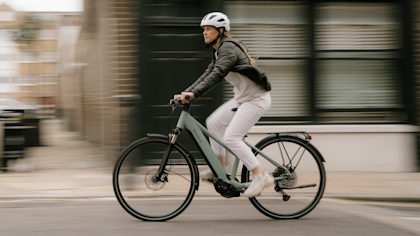
Dull, miserable, crisp or refreshing. However you describe the colder months, don’t let shorter days and unpredictable weather put the dampeners on your cycling habit.
Whether you regularly cycle to work or you’re just getting started, autumn and winter can bring a few additional challenges. Rain, colder temperatures, darker mornings and slippery roads all require a little more preparation.
But with the right winter cycling essentials, there’s no reason why you can’t continue enjoying your journeys throughout the year.
From reliable lights and weatherproof clothing to suitable tyres and regular bike maintenance, we’ve put together some practical advice to help you stay comfortable and confident on two wheels.
And remember, you can use Green Commute Initiative’s Cycle to Work Scheme to purchase eligible cycling accessories without buying a new bike, saving between 28% and 47%, depending on your tax circumstances.
Can you cycle all year round in the UK?
Absolutely! While the British weather can be unpredictable, year-round cycling is entirely possible with suitable equipment and a little forward planning.
The biggest challenges in winter are reduced daylight, wet and slippery surfaces, and keeping warm without overheating.
For people cycling to work, these conditions can make the daily journey feel less appealing, particularly when you’re heading out early in the morning or returning home after dark.
However, investing in a few winter cycling essentials can make a significant difference to your comfort, visibility and safety.
You don’t need to be an experienced road cyclist or spend a fortune on specialist equipment. The important thing is choosing practical accessories that suit your usual journeys.
Essential winter cycling equipment
1. Bike lights for darker mornings and evenings
As daylight hours shorten, reliable bike lights become one of the most important pieces of equipment you can own.
In the UK, cyclists must use a white front light and red rear light when riding on public roads between sunset and sunrise, alongside the legally required reflectors.
For everyday commuting, consider where you’ll be cycling. If you mainly use well-lit urban roads, lights that make you clearly visible to other road users are particularly important.
For darker rural routes, you’ll need a sufficiently powerful front light to illuminate the road ahead.
Rechargeable lights are convenient for regular use, but remember to check battery levels before setting off.
2. Winter cycling clothing to keep you warm and dry
Staying warm and comfortable is essential when cycling in winter, but wearing too many layers can leave you feeling hot and uncomfortable once you get moving.
The best approach is to choose clothing that balances insulation and breathability.
A few useful items include:
- Waterproof cycling jacket: Helps protect against wind and rain while allowing excess heat and moisture to escape.
- Thermal base layers: Provide warmth without unnecessary bulk.
- Cycling gloves: Protect your hands from cold temperatures and help you maintain comfortable control of the handlebars.
- Waterproof trousers: Particularly useful if you’re commuting in wet weather.
- Warm socks and suitable footwear: Help keep your feet comfortable during colder journeys.
- Reflective clothing: Improves your visibility in low light, particularly when combined with suitable bike lights.
You don’t necessarily need specialist clothing for every journey. For shorter commutes, a good waterproof jacket and a reliable pair of gloves may be enough.
3. Choose suitable tyres for winter conditions
Wet leaves, mud, standing water and icy roads can make cycling more challenging. Choosing tyres suited to your usual routes can help improve grip and reduce the likelihood of punctures.
Check your tyres regularly for damage, wear and embedded debris, and make sure they’re inflated within the manufacturer’s recommended pressure range.
If your journey involves muddy paths or rougher surfaces, you may benefit from tyres designed for those conditions.
Remember that even suitable winter tyres cannot guarantee grip on ice, so avoid riding when conditions are particularly hazardous.
4. Keep your belongings protected
If you regularly carry a laptop, work clothes or other essentials, waterproof storage can make your journey much more convenient.
Panniers and waterproof bike bags allow you to transport your belongings without carrying everything on your back.
Mudguards are another worthwhile investment, helping protect you from water and dirt thrown up by your wheels.
And don’t forget a good-quality lock, particularly if your bike will be left outside throughout the working day.
Keep your bike in good condition with regular maintenance
Winter weather can be tough on your bike; rain, mud, grit and road salt can contribute to wear and corrosion, making regular cleaning and maintenance particularly important.
Carry out an M Check before riding
The M Check is a simple way to check that your bike is in safe working condition before setting off.
It involves inspecting the key components of your bike, including the wheels, tyres, brakes, frame, handlebars and saddle.
Pay particular attention to your brakes, tyre condition, chain and lights during the colder months.
You can follow Green Commute Initiative’s M Check Safety Guide for step-by-step advice.
Winter cycling safety tips
Plan your route carefully
Your usual cycling route might not be the safest option during winter.
Where possible, choose well-lit roads, dedicated cycle lanes and routes that are regularly maintained.
Be particularly cautious around shaded areas, bridges and untreated roads where ice can form.
Adjust your speed and braking
Wet and slippery surfaces can increase stopping distances, so allow extra space between yourself and other road users.
Avoid sudden braking or sharp turns, particularly on wet leaves, painted road markings and metal drain covers.
Check the weather before travelling
Before setting off, check the forecast for heavy rain, strong winds, snow and ice.
If conditions are particularly hazardous, consider an alternative way of travelling.
Cycling to work doesn’t have to be an all-or-nothing commitment. Even replacing a few car journeys each week can offer health, financial and environmental benefits.
Can you buy winter cycling accessories through the Cycle to Work Scheme?
Yes! One of the benefits of Green Commute Initiative’s Cycle to Work Scheme is that you don’t have to purchase a new bike to apply for eligible accessories.
If you already own a bike but need additional equipment for year-round cycling, you can apply for an accessories-only package.
Eligible equipment can include lights, locks, mudguards, panniers and suitable cycling clothing.
Through a salary sacrifice arrangement with your employer, you can save between 28% and 47%, depending on your tax circumstances.
GCI has a minimum order value of £100 for accessories-only applications.
To apply for accessories through GCI, complete the normal application process, enter N/A in the bike field and list the accessories you would like to purchase.
Find out more about how the Cycle to Work Scheme works.
Frequently asked questions about winter cycling
What temperature is too cold for cycling?
There’s no single temperature that’s too cold for everyone. Your comfort and safety depend on the conditions, your clothing, your experience and the route you’re taking.
Ice, snow and poor visibility can make riding dangerous, so always assess the conditions before travelling.
What should I wear under my cycling helmet in winter?
A thin thermal cycling cap or skullcap designed to fit beneath a helmet can help keep your head and ears warm.
Make sure any additional clothing doesn’t interfere with the helmet’s fit or adjustment.
How can I keep my hands warm when cycling in winter?
Investing in suitable winter cycling gloves can make a big difference.
Look for gloves that offer insulation, wind resistance and sufficient flexibility to operate your brakes and gears comfortably.
How do I prepare my bike for winter cycling?
Start with an M Check, paying particular attention to your tyres, brakes, chain and lights.
Keep your bike clean, lubricate moving parts appropriately and consider adding mudguards and suitable tyres for your regular journeys.
Keep cycling all year round with Green Commute Initiative
Colder weather doesn’t have to mean putting your bike away until spring.
With suitable clothing, reliable lights, regular maintenance and a little preparation, you can continue enjoying the benefits of cycling throughout the year.
And if you need to upgrade your equipment, Green Commute Initiative can help make it more affordable.
Our Cycle to Work Scheme allows eligible employees to purchase bikes and cycling accessories through salary sacrifice, with no additional scheme fees charged by GCI.
Ready to equip yourself for year-round cycling?
Find out how our Cycle to Work Scheme works or apply for your cycling accessories today.